
Egypt · Luxor · Theban necropolis
What to see and do in Luxor west shore
Royal tombs and funerary temples under the cliffs.
The Valley of the Kings, the temple of Hatshepsut and Medinet Habu bring together different facets of the Theban necropolis. They require transportation between venues and separate entrances.
Duration, budget and itinerary: editorial suggestions adjustable to your trip. No prices or availability in real time.
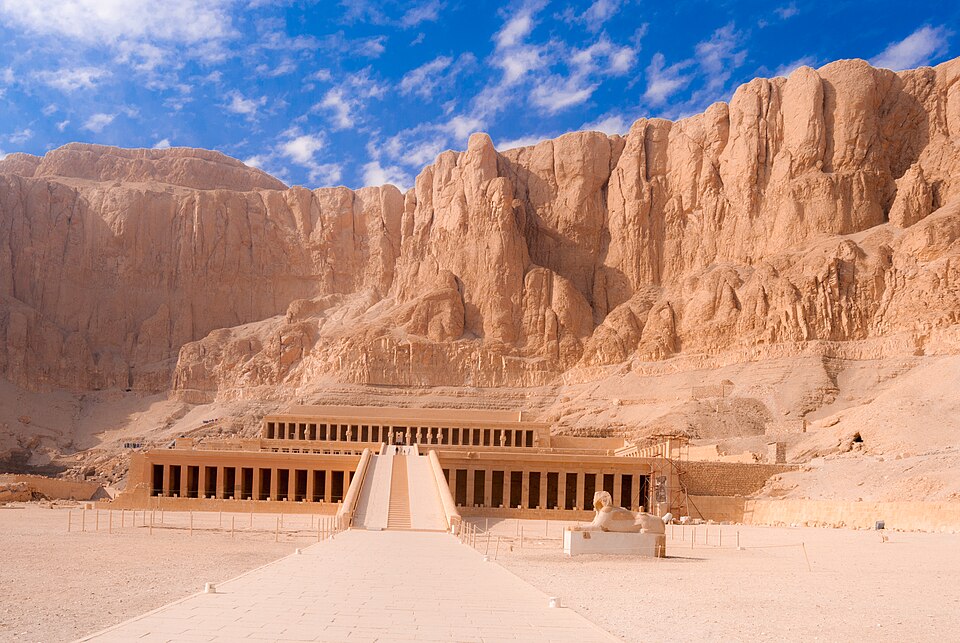
What to visit in Luxor western shore
PLACES AND EXPERIENCES
What to do in Luxor west shore
heritage
Valley of the Kings
The royal tombs excavated in the mountain on the western shore preserve funerary testimonies of the New Kingdom. Open tombs and entry methods may change.
Activities for your visit
- Choose from the open tombs that your ticket accepts.
- Observe the decoration of the corridors following the rules of the venue.
Tips for this place
- Not all tombs are included in general admission.
- Please confirm special tomb supplements before selecting your ticket.
Official purchase of the Valley of the Kings. Review the number and selection of tombs for general admission and supplements; Tutankhamun, Seti I or other special tombs should not be considered included.
Reference sources and location
Orientative reference of the place; it does not indicate a gate, ticket office, pier or an accessible route.
Reference coordinates: 25.74025, 32.602358.
heritage
Temple of Hatshepsut · Deir el-Bahari
The terraces and colonnades of Hatshepsut's funerary temple rise at the foot of the cliffs of Deir el-Bahari, on the western shore of Luxor.
Activities for your visit
- Contemplate the terraces from the enabled route.
- Observe the reliefs and accessible porticos.
Tips for this place
- Bring protection for the route exposed to the sun.
- Respect barriers and closed sectors for conservation.
Hatshepsut Temple Official Reserve. The ticket corresponds to this enclosure, separated from the Valley of the Kings and other temples on the western shore.
Reference sources and location
Orientative reference of the place; it does not indicate a gate, ticket office, pier or an accessible route.
Reference coordinates: 25.738042, 32.607043.
heritage
Medinet Habu temple of Ramses III
The funerary complex of Ramses III stands out for its pylons, patios and reliefs. Its monumental gate and the remains of the enclosure allow you to explore another facet of ancient Thebes.
Activities for your visit
- Observe the reliefs of patios and open walls.
- Know the monumental door and the permitted spaces of the complex.
Tips for this place
- Organize the arrival as your own visit within the west bank.
- Do not touch decorated surfaces or cross conservation limits.
Medinet Habu official entrance. It is not a substitute for the Hatshepsut or Valley of the Kings tickets; confirm the enabled areas.
Reference sources and location
Orientative reference of the place; it does not indicate a gate, ticket office, pier or an accessible route.
Reference coordinates: 25.72, 32.600833.
A PROPOSAL TO ORGANIZE YOURSELF
2-Day Luxor Itinerary West Bank
- Day 1
Valley of the Kings
Select the tombs that your entry accepts and organize your visit according to the open areas and your pace.
- Day 2
West Bank Temples
Visit Hatshepsut and Medinet Habu with transportation and margin between both; You can choose just one or distribute them over more days.
Tips for visiting Luxor · west shore
- Confirm open tombs and Valley of the Kings supplements.
- Plan transportation along the western shore; the markers do not form a continuous walk.
LOCAL FLAVORS
What to eat in Luxor western shore
Beans, rice, herbs and layered doughs: six preparations to discover Egyptian cuisine during your trip. The photographs show reference versions of each dish.

Egypt · Popular cuisine
Koshari
Rice, pasta, lentils and chickpeas together with garlic tomato sauce and fried onion. A strong combination of everyday Egyptian cuisine.
Reference: Experience Egypt · Cuisine and culture
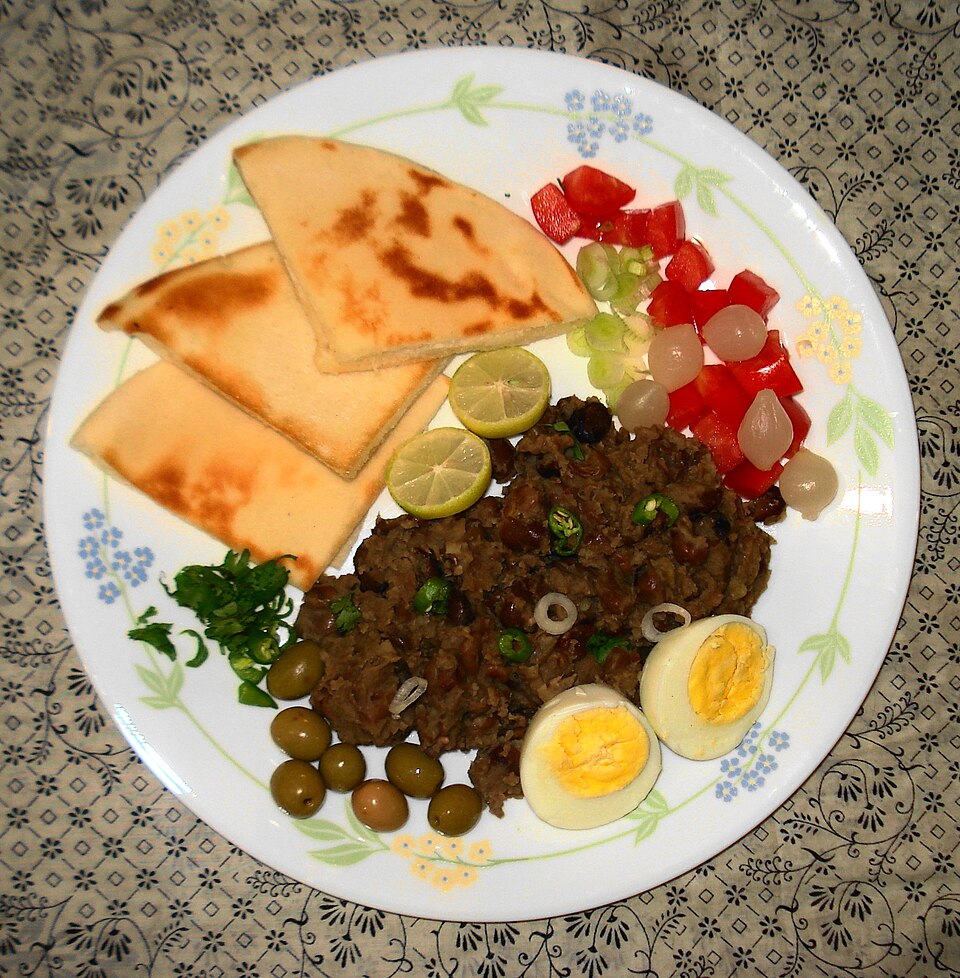
Egypt · Breakfast with baladi bread
Ful medames
Slowly cooked and seasoned broad beans, served with baladi bread. A traditional breakfast that allows different accompaniments.
Reference: Experience Egypt · Cuisine and culture
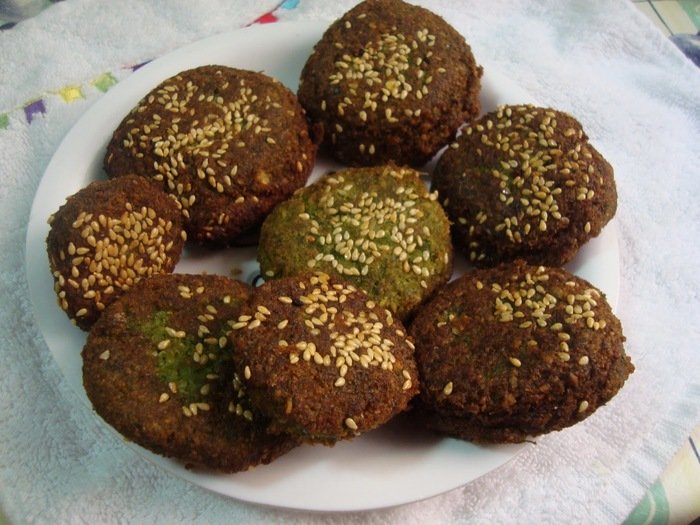
Egypt · Fried beans
Taameya · Egyptian falafel
Fried discs of ground beans with aromatic herbs. Crispy on the outside and soft on the inside, they are part of the Egyptian breakfast repertoire.
Reference: Experience Egypt · Cuisine and culture
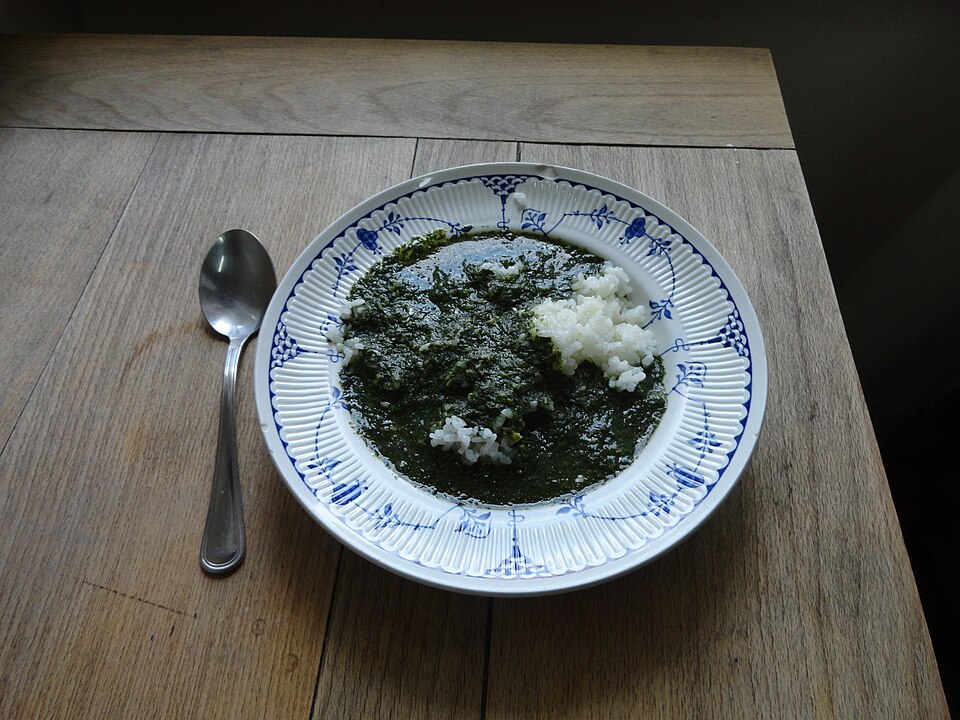
Egypt · Green leaf soup
Molokhia
Soup of finely chopped molokhia leaves, flavored with garlic and coriander. It can be served over rice or accompanied by bread.
Reference: Experience Egypt · Cuisine and culture
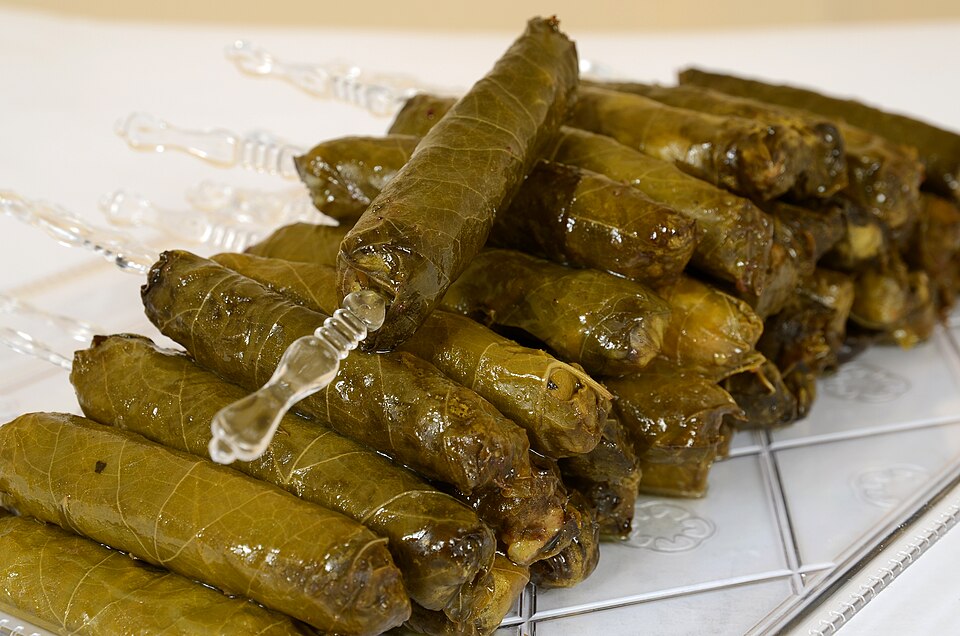
Egypt · Rolls to share
Stuffed grape leaves · Wara enab
Grape leaves rolled around herbed rice; some versions add meat. They are cooked in broth and are usually prepared to share.
Reference: Experience Egypt · Cuisine and culture
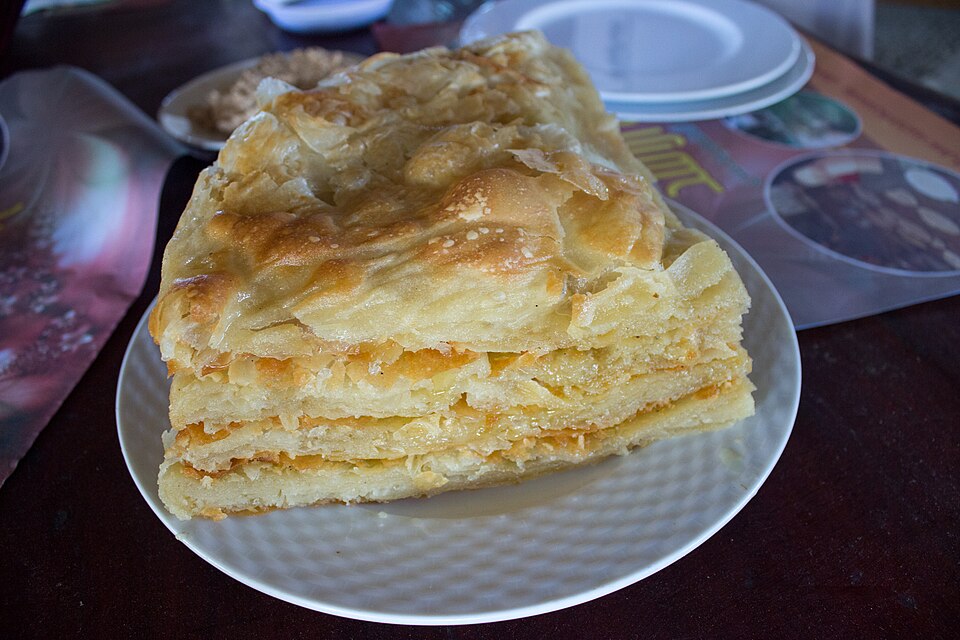
Egypt Dough in thin layers
Feteer meshaltet
Laminated dough with butter between its layers, which can be accompanied with sweet or savory ingredients. A specialty of Egyptian rural tradition.
Reference: Experience Egypt · Cuisine and culture
Sources to prepare your visit
- Ministry of Tourism and Antiquities · Valley of the Kings
- Ministry of Tourism and Antiquities · Temple of Hatshepsut
- Ministry of Tourism and Antiquities · Medinet Habu
Reference location: Wikidata Valley of the Kings.
Reference of one of the places in the guide; It does not represent the entire area or a route between enclosures.
Editorial content by SoyTurista PR, based on the linked sources. Confirm details with each provider before traveling.
Report a change to this guide. Include its URL and an official source if available.
Continue discovering Egypt
Check out more guides and combine places that fit your interests.
All Egypt guides →